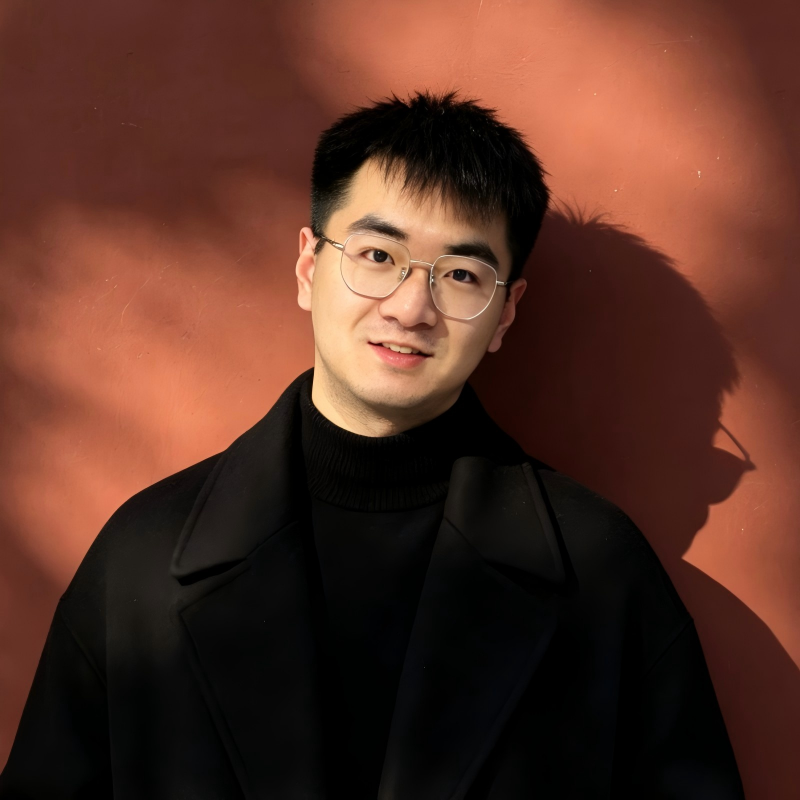
Hi, I’m Ning Zhu, an M.S. student in Electrical Engineering at Stanford University. I received my Bachelor’s degree (with Honours of the First Class) from the University of Electronic Science and Technology of China (UESTC) in a joint program with the University of Glasgow. I have been fortunate to be advised by Prof. Guotai Wang at UESTC, and to collaborate with Prof. Han Liu and Jerry Yao-Chieh Hu at Northwestern University. My research interests span two complementary directions. The first is generative models, covering image and video generation, training-free generation, post-training techniques, and the theoretical foundations of generative modeling. The second is data-efficient learning, encompassing active learning, data curation, and unsupervised anomaly detection. Within this direction, I focus on selecting the most informative and highest-quality subsets from massive data to reduce annotation costs while improving downstream performance, and on learning strong representations from unlabeled data. My overarching goal is to build reliable and label-efficient models that can be trusted in real-world deployment across industry, healthcare, and robotics.
🔥 News
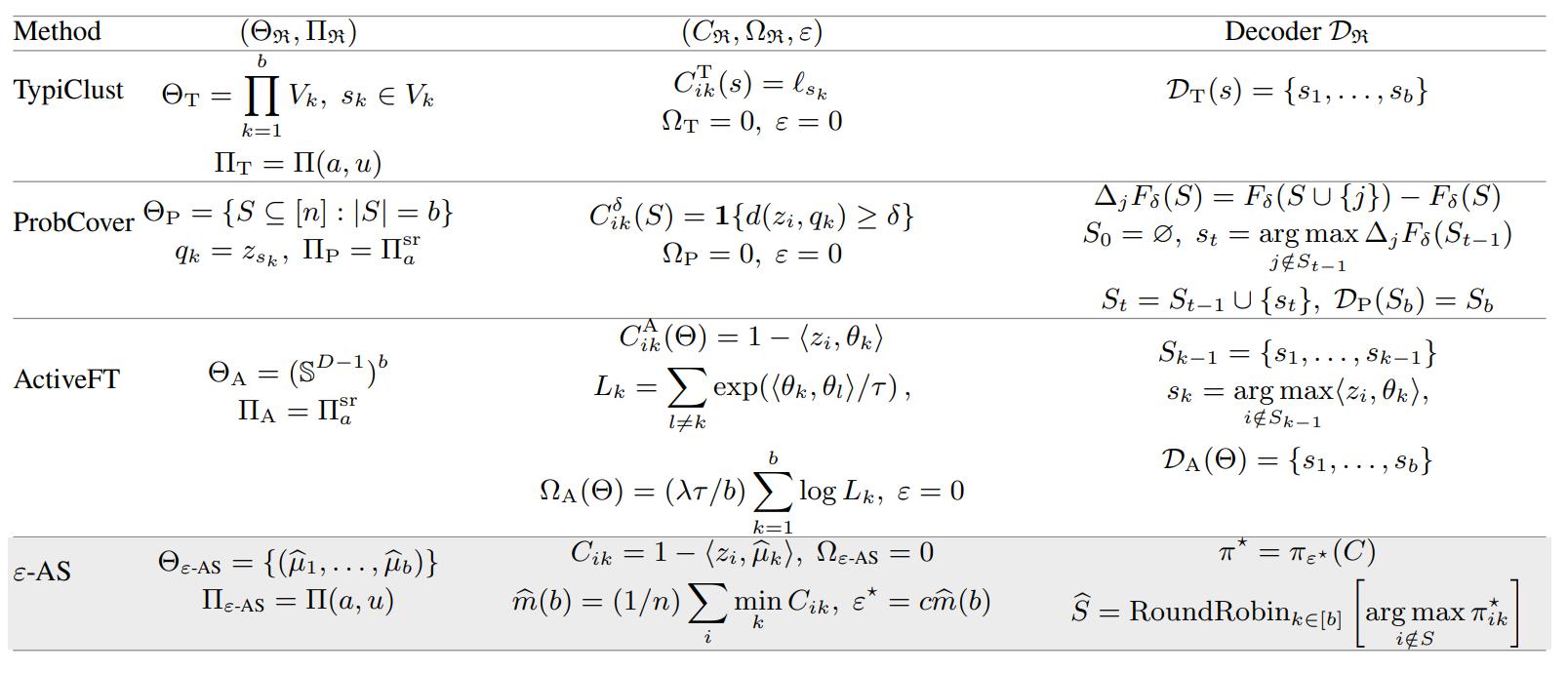
- Jun 2026: Our paper “Dual-Space Cold-Start Active Learning Guided by SAM3 for Medical Image Segmentation” was accepted in [MICCAI’26].
- Jun 2026: 🏆 Awarded the IET Prize by the Institution of Engineering and Technology (IET) — one of only ~93 students worldwide selected in 2025 from over 100 IET-accredited universities, nominated by the Glasgow College UESTC department in recognition of academic distinction across the bachelor’s degree.
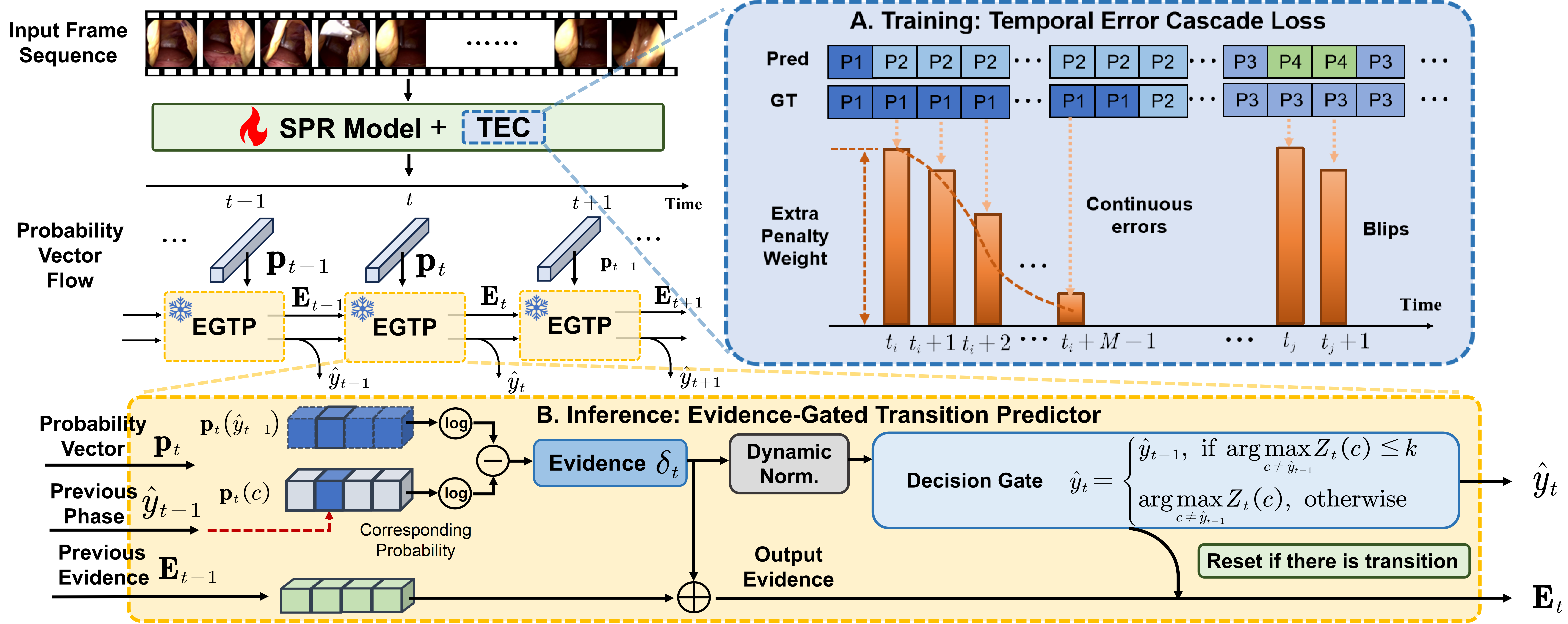
- May 2026: Our paper “Stabilizing Temporal Inference Dynamics for Online Surgical Phase Recognition” was accepted in [MICCAI’26].
- Apr 2026: 🐧 Started a research internship at Tencent IEG (Game AI Engine Department), focusing on video generation post-training.
- Sep 2025: Our paper “High-Order Flow Matching: Unified Framework and Sharp Statistical Rates” was accepted in [NeurIPS’25].
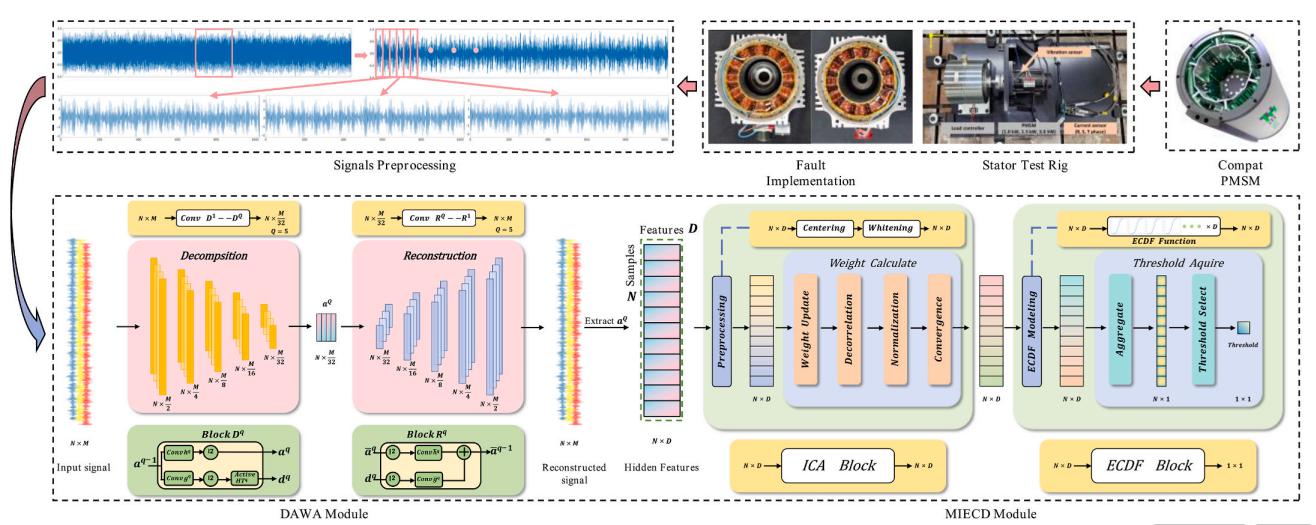
- Sep 2025: Our paper “Deep Adaptive Wavelet Autoencoder with Mutually Independent Empirical Cumulative Distribution for Unsupervised Motor Anomaly Detection” was accepted in [EAAI’25].
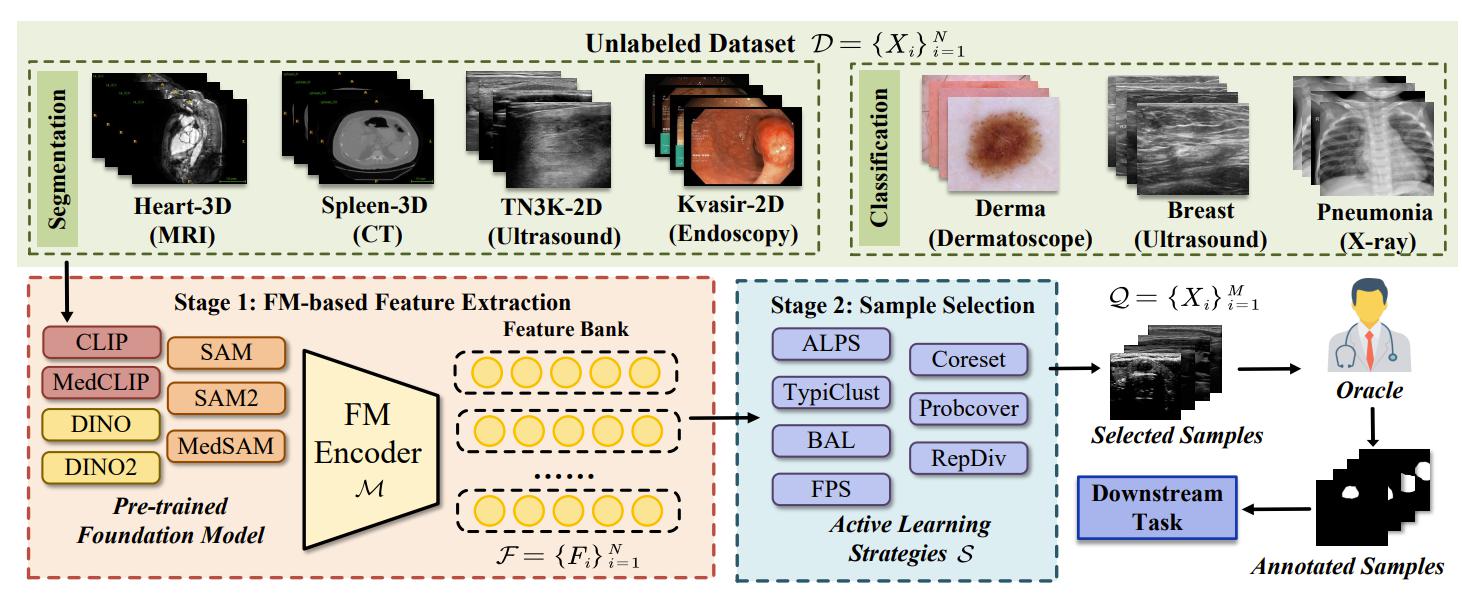
- Aug 2025: Our paper “MedCAL-Bench: A Comprehensive Benchmark on Cold-Start Active Learning with Foundation Models for Medical Image Analysis” was released on [arXiv].
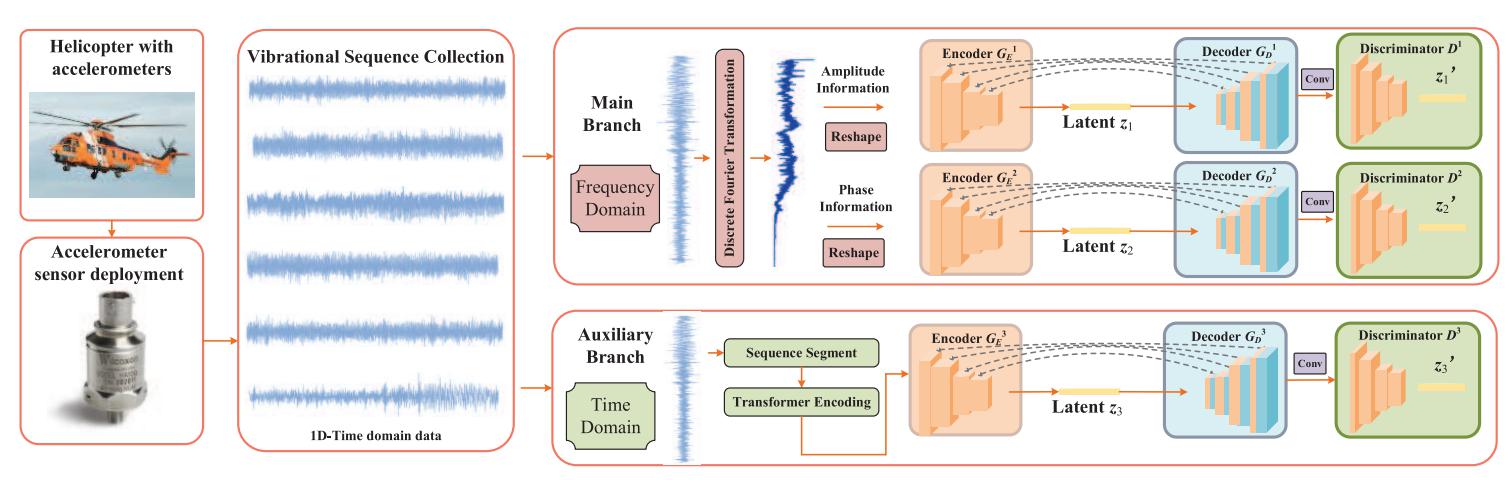
- Jul 2025: Our paper “Adversarial Frequency Component Reconstruction Constraint for Helicopter Vibration Signal Anomaly Detection: An Unsupervised Dual-Domain Approach” was published in [IEEE TIM’25].
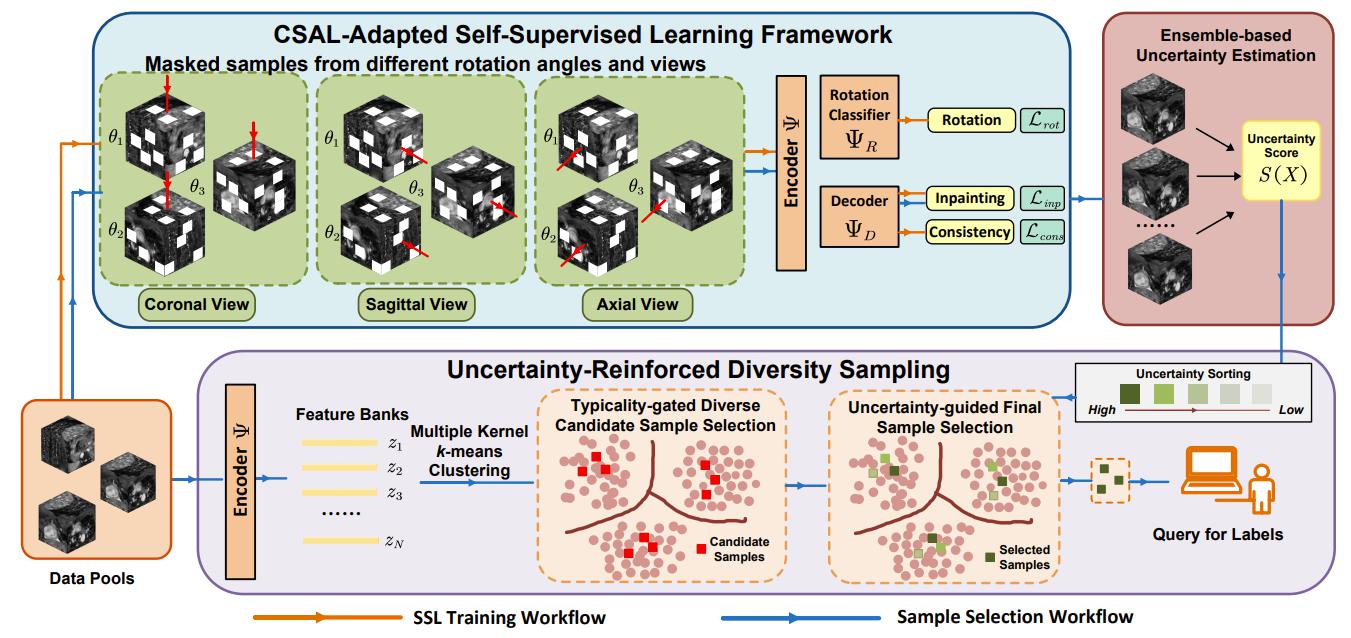
- May 2025: Our paper “CSAL-3D: Cold-Start Active Learning for 3D Medical Image Segmentation via SSL-Driven Uncertainty-Reinforced Diversity Sampling” was accepted in [MICCAI’25] (Best Paper & Young Scientist Awards Shortlist).
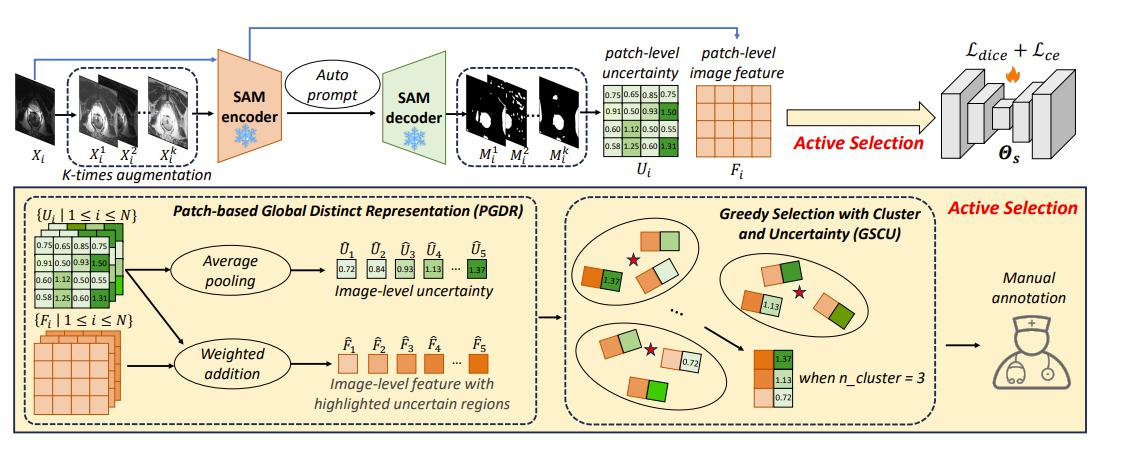
- May 2025: Our paper “SUGFW: A SAM-Based Uncertainty-Guided Feature Weighting Framework for Cold Start Active Learning” was accepted in [MICCAI’25].
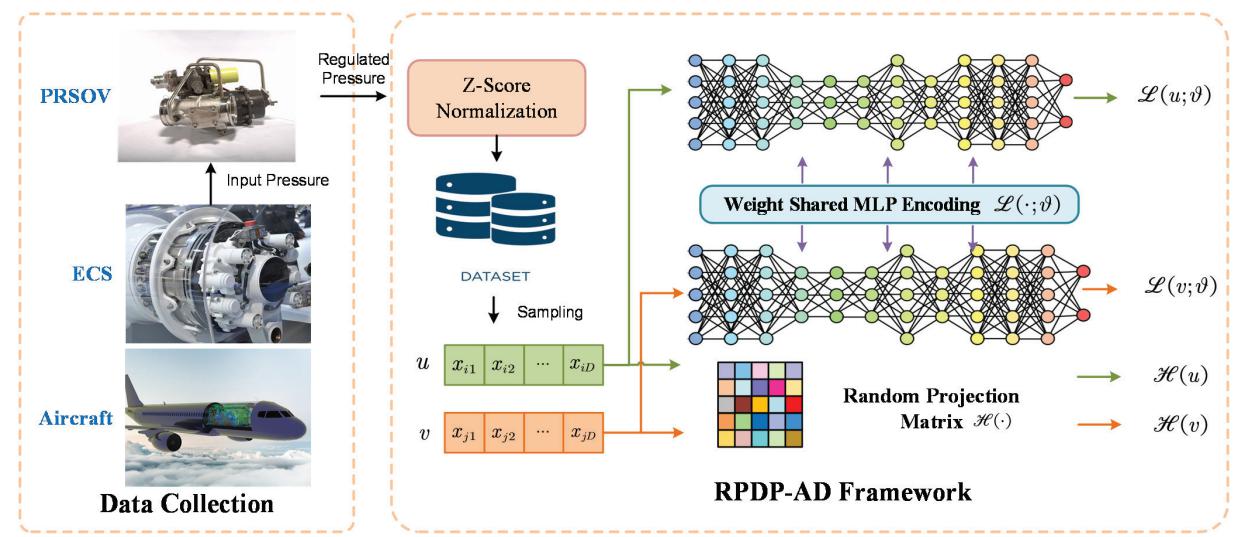
- May 2025: Our paper “Unsupervised Anomaly Detection for Aircraft PRSOV with Random Projection-Based Inner Product Prediction” was published in [IEEE TIM’25].
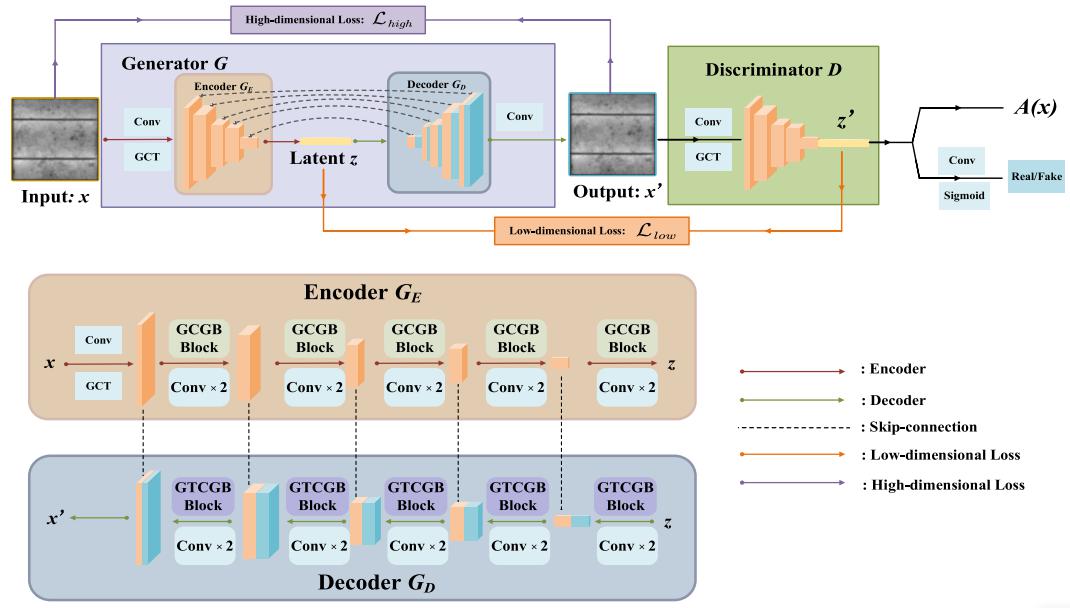
- Sep 2024: Our paper “An Adversarial Training Framework Based on Unsupervised Feature Reconstruction Constraints for Crystalline Silicon Solar Cells Anomaly Detection” was published in [IEEE TIM’24].
🔬 Research Interests
- Generative Models — image and video generation, training-free generation, post-training techniques, and the theoretical foundations of generative modeling.
- Data-Efficient Learning — active learning, data curation, and unsupervised anomaly detection, with applications across industry, healthcare, and robotics.
📑 Selected Publications
(*: indicates equal contribution; #: indicates corresponding author)
2026
2025
2024
🎓 Education

Graduate student in the Department of Electrical Engineering.

University of Electronic Science and Technology of China (UESTC), Glasgow College (Joint Program with University of Glasgow)
Awarded the IET Prize by the Institution of Engineering and Technology (IET, est. 1871) — Europe's largest engineering professional society. One of only ~93 students selected globally in 2025 from over 100 IET-accredited universities, nominated by the Glasgow College UESTC department in recognition of distinction across the bachelor's degree.
Graduated with Honours of the First Class; Advisor: Prof. Guotai Wang.
🤝 Academic Services
- Reviewer: MICCAI 2026, Pattern Recognition, IEEE Transactions on Sustainable Energy.
📚 Teaching
- Teaching Assistant, Machine Learning and Artificial Intelligence (UoG3036), Semester 2024–2025.